Packing Tips14 min read
Is a Backpack A Carry-On?
A backpack can be a carry-on, a personal item, or checked luggage. It all depends on the size.

Nick Reed
TravelFreak Writer
Carry-On Luggage Size Limit
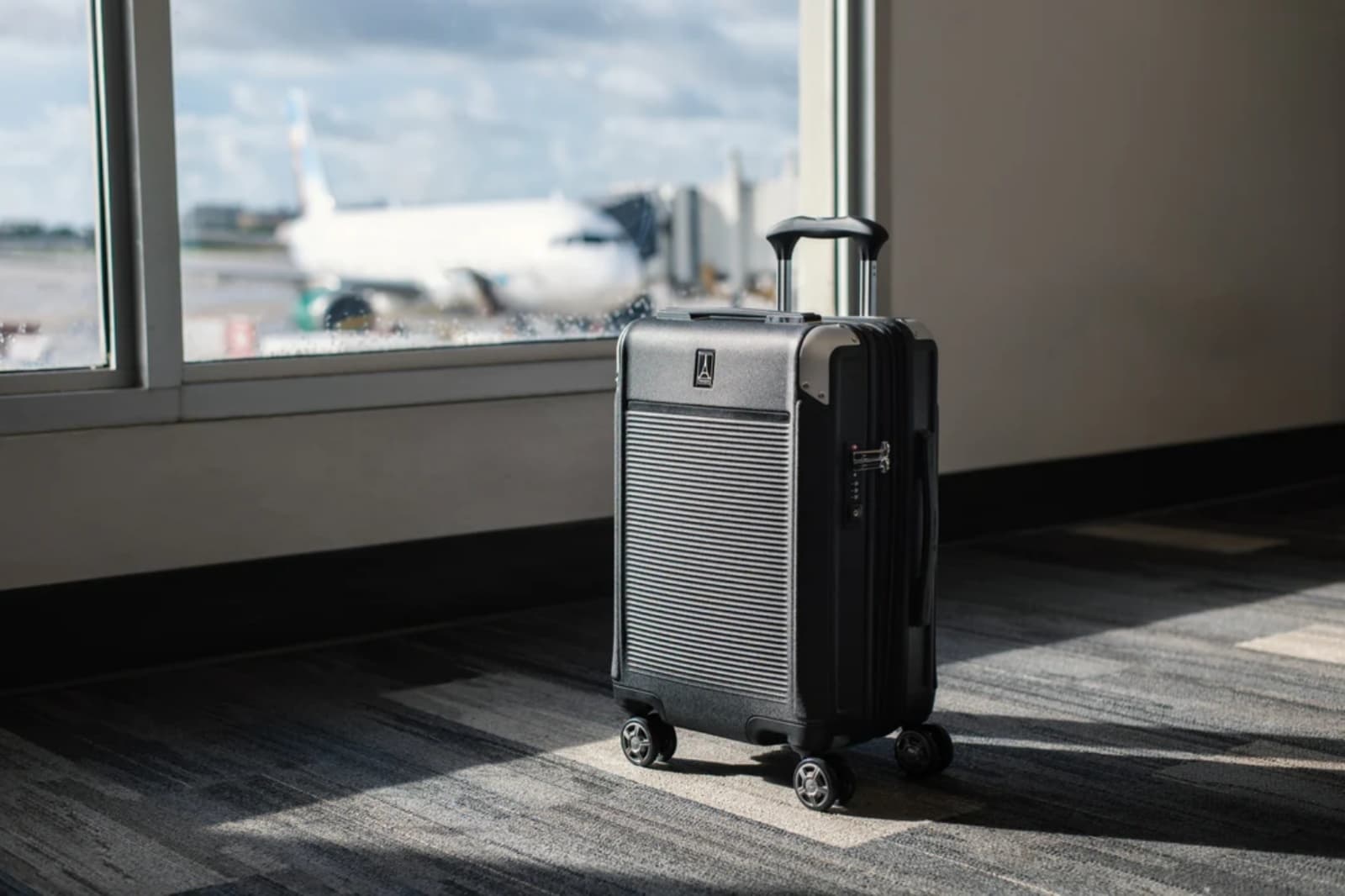
 Carry-on luggage is a smaller piece of luggage that you can take with you on a plane. Because it has to fit in the overhead bin, carry-on luggage is smaller than checked luggage and must fit within specific size restrictions set by airlines.
A carry-on bag can be a suitcase, duffel bag, backpack, or even an instrument case, but no matter what it looks like, it has to fit within the size limits.
If you shop around for carry-on luggage, you’ll notice some suitcases marketed as “domestic carry-ons” and some marketed as “international carry-ons.” The difference here is all in the sizing.
For carry-on baggage on domestic flights within the United States, the typical size limit is around 22 x 14 x 9 inches for carry-on bags and 18 x 14 x 8 inches, but some US airlines have larger or smaller limits.
If you're traveling internationally, you'll want to pay a bit closer attention to the size of your carry-on. International airlines tend to be stricter. Standard carry-on sizes are usually around 21.7 x 15.7 x 9 inches, and personal items are most often limited to 15.7 x 11.8 x 3.9 inches.
When in doubt, I recommend getting a suitcase that’s sized to work for both US and international flights. That way your bag is future-proofed for any trips you may take.
For most people, a carry-on bag is large enough to pack for 3-5 days, but if you pack light, a carry-on can easily be enough for longer-term one-bag travel.
The majority of domestic and international airlines will let you bring one carry-on bag and one smaller personal item onboard without extra fees. However, some budget airlines charge you a fee for a carry-on.
Carry-on luggage is a smaller piece of luggage that you can take with you on a plane. Because it has to fit in the overhead bin, carry-on luggage is smaller than checked luggage and must fit within specific size restrictions set by airlines.
A carry-on bag can be a suitcase, duffel bag, backpack, or even an instrument case, but no matter what it looks like, it has to fit within the size limits.
If you shop around for carry-on luggage, you’ll notice some suitcases marketed as “domestic carry-ons” and some marketed as “international carry-ons.” The difference here is all in the sizing.
For carry-on baggage on domestic flights within the United States, the typical size limit is around 22 x 14 x 9 inches for carry-on bags and 18 x 14 x 8 inches, but some US airlines have larger or smaller limits.
If you're traveling internationally, you'll want to pay a bit closer attention to the size of your carry-on. International airlines tend to be stricter. Standard carry-on sizes are usually around 21.7 x 15.7 x 9 inches, and personal items are most often limited to 15.7 x 11.8 x 3.9 inches.
When in doubt, I recommend getting a suitcase that’s sized to work for both US and international flights. That way your bag is future-proofed for any trips you may take.
For most people, a carry-on bag is large enough to pack for 3-5 days, but if you pack light, a carry-on can easily be enough for longer-term one-bag travel.
The majority of domestic and international airlines will let you bring one carry-on bag and one smaller personal item onboard without extra fees. However, some budget airlines charge you a fee for a carry-on.
 When you fly, you'll usually be allowed to bring along one personal item alongside your carry-on luggage. Your personal item can be a smaller bag like a purse, briefcase, or small travel daypack that needs to fit under the seat in front of you.
Unlike carry-on bags, which stay in the overhead bin, personal items are designed to be kept within easy reach. Think of it as a place to keep essentials you need access to during the flight.
Because of that, personal item size limits are typically much smaller than carry-on limits. Within the US, most airlines limit personal items to 18 x 14 x 8 inches. Outside the US, personal item size limits are usually much smaller, and they vary widely. The most common international personal item size is 15.7 x 11.8 x 3.9 inches.
I’ve managed to pack for week-long trips with just a personal item before (when I was flying with an ultra-budget airline that charged for carry-ons), but it was a tight squeeze.
Keep in mind that each airline has different size restrictions for personal items, so it's important to check the guidelines of the airline you're flying with.
When you fly, you'll usually be allowed to bring along one personal item alongside your carry-on luggage. Your personal item can be a smaller bag like a purse, briefcase, or small travel daypack that needs to fit under the seat in front of you.
Unlike carry-on bags, which stay in the overhead bin, personal items are designed to be kept within easy reach. Think of it as a place to keep essentials you need access to during the flight.
Because of that, personal item size limits are typically much smaller than carry-on limits. Within the US, most airlines limit personal items to 18 x 14 x 8 inches. Outside the US, personal item size limits are usually much smaller, and they vary widely. The most common international personal item size is 15.7 x 11.8 x 3.9 inches.
I’ve managed to pack for week-long trips with just a personal item before (when I was flying with an ultra-budget airline that charged for carry-ons), but it was a tight squeeze.
Keep in mind that each airline has different size restrictions for personal items, so it's important to check the guidelines of the airline you're flying with.
 The main reason to make sure your carry-on luggage is the right size is to avoid any check-in surprises. Airlines have specific size restrictions for carry-on luggage, and if your bag exceeds these limits, you may be required to check it in at the gate.
This usually costs extra and can be a major hassle, especially if you packed items in your carry-on that you need access to in route.
In addition, choosing the right size for your carry-on is crucial for ensuring that your luggage fits perfectly in the overhead compartment. That's the whole point of the restrictions in the first place!
Even if you make it onto the plane with a too-big bag, you don't want to be the person blocking the aisle as you try to jam your suitcase into the overhead bin.
Just because you've used your carry-on before without any issues doesn't guarantee it will work on every flight with every airline.
The main reason to make sure your carry-on luggage is the right size is to avoid any check-in surprises. Airlines have specific size restrictions for carry-on luggage, and if your bag exceeds these limits, you may be required to check it in at the gate.
This usually costs extra and can be a major hassle, especially if you packed items in your carry-on that you need access to in route.
In addition, choosing the right size for your carry-on is crucial for ensuring that your luggage fits perfectly in the overhead compartment. That's the whole point of the restrictions in the first place!
Even if you make it onto the plane with a too-big bag, you don't want to be the person blocking the aisle as you try to jam your suitcase into the overhead bin.
Just because you've used your carry-on before without any issues doesn't guarantee it will work on every flight with every airline.

Most airlines have precise limits on how large your carry-on luggage can be. These limits vary from one airline to another, so it's not as simple as buying a suitcase that's advertised as carry-on compliant.
Just because a bag is marketed as a domestic carry-on doesn’t mean it absolutely fits on all US domestic flights, and just because it’s marketed as an international carry-on certainly doesn’t mean it will fit on any flight around the world.
The only way to be sure is to compare the dimensions of your luggage with the published size restrictions for the specific airline you’ll be flying with.
When measuring your carry-on luggage, remember that size limits include the handles, wheels, and any other component that sticks out from the main body of the suitcase. If you ignore those extra parts sticking out, you might find yourself with a bag that is too big and won't be allowed on board.
The table below shows the carry-on and personal item size limits for 175 airlines from around the world.
[wpdatatable id=80]
 Getting the right-sized suitcase or bag is just the first step in making sure you're carry-on legal. You also need to know what you're allowed to pack in your carry-on so you don't get stopped at security for having a prohibited item.
As a Manchester City fan, he made it his mission to catch matches at legendary stadiums from Camp Nou to the Etihad. But Nick's travels go beyond football. He's explored 20+ countries across Europe, Africa, and the Caribbean, always chasing authentic experiences over tourist traps. Nick lives by a simple rule: the best stories come from saying yes to the unexpected. And TravelFreak is his biggest yes yet.
A backpack can be a carry-on, a personal item, or checked luggage. It all depends on the size.
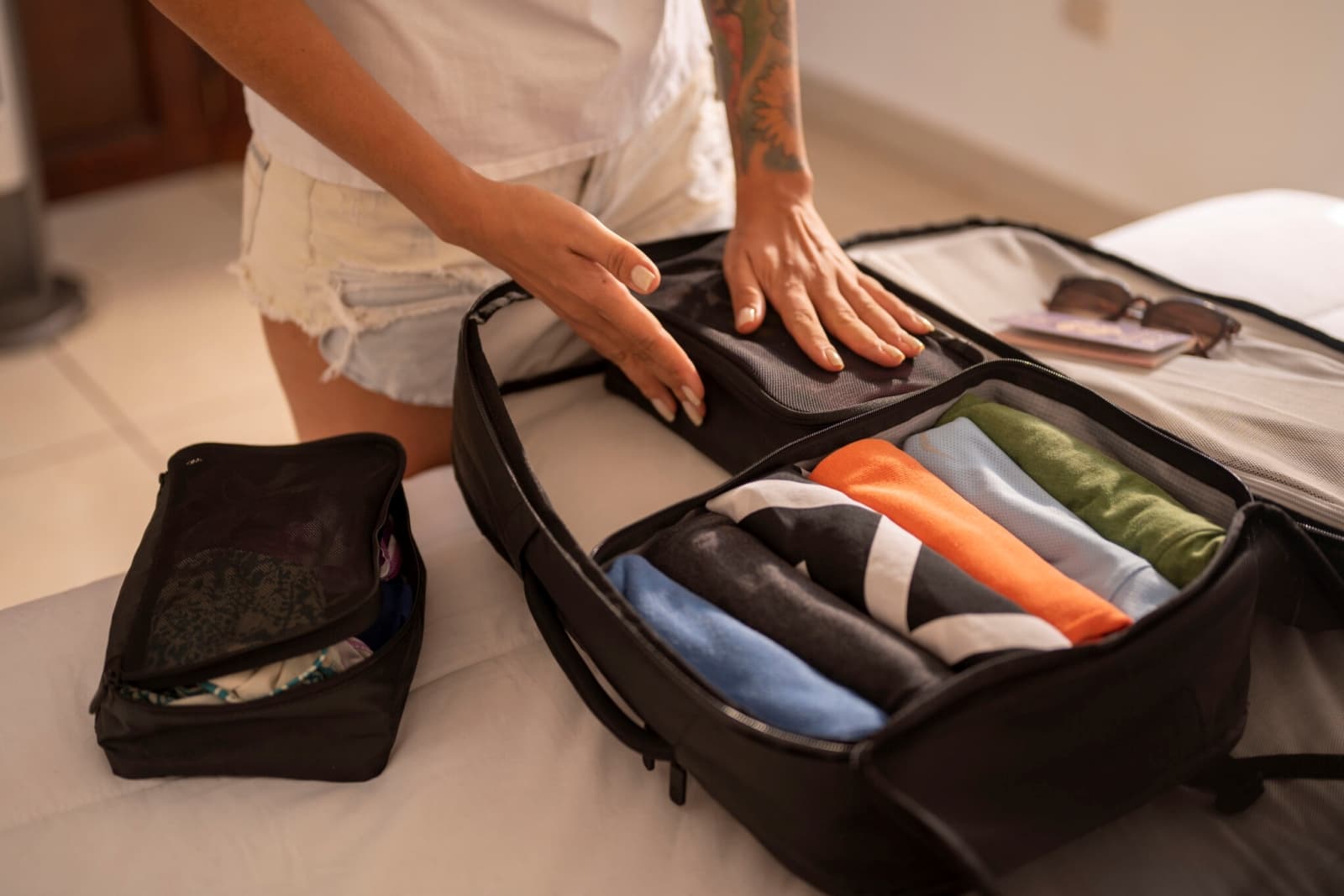
Use proven strategies to pack efficiently and travel stress-free. Learn expert tips on using packing cubes, choosing the right luggage, and more.
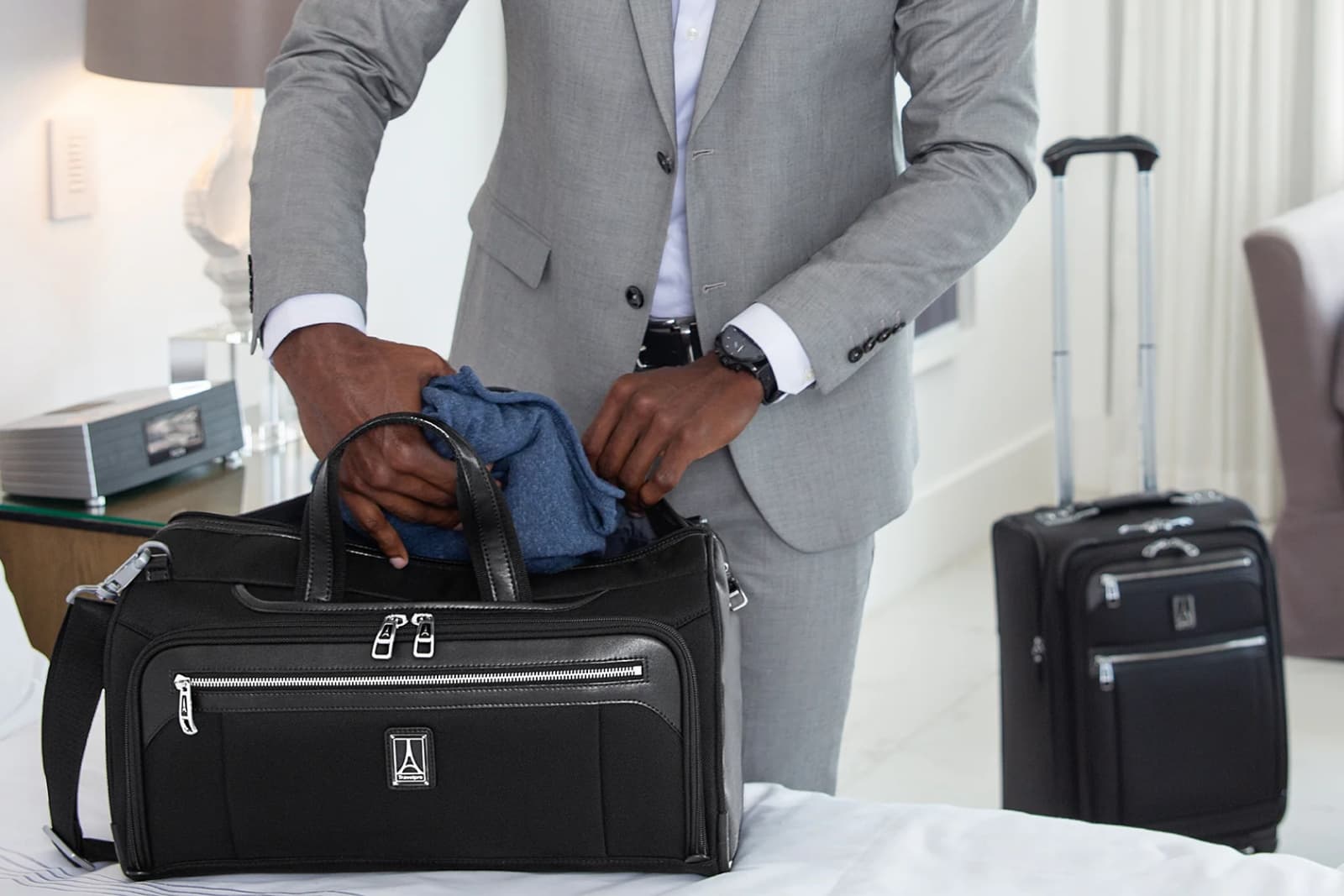
Carry-on luggage gets stowed away in the overhead compartment, while a personal item is a smaller bag that stays under the seat in front of you.